The habits with the strongest backing from public health bodies are not exotic: do not smoke, stay physically active, get enough sleep, eat a balanced diet, wash your hands, keep up with vaccines and screenings, and take prescribed medicine as directed. Doing most of these most of the time matters more than doing a few perfectly. Prevention lowers the odds of common problems, but it cannot guarantee that nothing goes wrong and it should never become a source of guilt.
This guide sets out the habits roughly in order of payoff, gives the published targets from the CDC and NHS where there are clear ones, and points out where the right answer depends on your age and health, so a conversation with a clinician is the better source.
Do not smoke, and get help to quit
The CDC calls cigarette smoking the leading preventable cause of disease, death and disability in the United States, and says smoking and secondhand smoke exposure together account for more than 480,000 deaths a year. It also states that quitting at any age improves health and lowers the risk of heart disease, cancer and COPD.
Support makes quitting easier. The CDC points to free quit-smoking resources and to treatment options that include counselling and medication, and a clinician or pharmacist can help you choose among them. Many people need more than one attempt, so a slip is not a reason to stop trying. Vaping and smoke from any source also irritate the airways, which links to the causes covered in what causes a sore throat most often.
Move your body every week
The CDC advises adults to aim for 150 minutes of moderate-intensity aerobic activity a week plus muscle-strengthening activity on 2 days. Those 150 minutes can be broken up, for example 30 minutes a day on 5 days. Adults can instead do 75 minutes of vigorous activity, or a mix of both. The CDC also says some activity is better than none and suggests choosing activities you enjoy so you can keep going.
If you are starting from very little, begin with short sessions, such as a 10-minute walk, and build gradually. Anyone with a heart condition, chest pain, dizziness or another health condition should check with a clinician before increasing intensity. Stop and seek care for chest pain, severe breathlessness or fainting during exercise.
Sleep enough, and keep it regular
The CDC lists these sleep amounts by age:
| Age group | Recommended sleep |
|---|---|
| School age (6 to 12 years) | 9 to 12 hours |
| Teens (13 to 17 years) | 8 to 10 hours |
| Adults (18 to 60 years) | 7 or more hours |
| Adults (61 to 64 years) | 7 to 9 hours |
| Adults (65 and older) | 7 to 8 hours |
The CDC links enough sleep with better immunity, weight management, stress control and thinking. Habits that commonly help include a regular wake-up time, a dark and quiet bedroom, limiting caffeine late in the day and putting screens away if they keep you awake. If you have ongoing trouble sleeping, snore loudly or feel exhausted despite enough hours in bed, talk to a healthcare provider about possible sleep disorders, as the CDC advises.
Eat in a way you can keep up
No single food prevents disease, and patterns matter more than individual choices. The NHS Eatwell Guide gives a clear model:
- Eat at least 5 portions of a variety of fruit and vegetables a day.
- Base meals on starchy foods such as potatoes, bread, rice or pasta, choosing wholegrain where you can.
- Include beans, fish, eggs and lean meat for protein, and dairy or alternatives for calcium.
- Use unsaturated oils and spreads in small amounts.
- Drink 6 to 8 cups or glasses of fluid a day, mostly water, and keep fruit juice and smoothies to no more than 150ml a day.
- Eat foods high in fat, salt and sugar less often and in small amounts.
The guide says balance can be reached across a day or a week, not necessarily at every meal. It does not apply to children under 2, and individual needs vary with age, size and activity. One or two swaps, such as water instead of a daily sugary drink or an extra vegetable at dinner, are easier to keep than a total overhaul. If you have a condition such as diabetes, kidney disease or food allergy, ask a clinician or registered dietitian for advice that fits you.
Alcohol
Official advice on alcohol differs between countries and has been revised over time, so check the current guidance from your own health service rather than relying on a number from an article. As a general principle, drinking less is better for health than drinking more, and not drinking is the safest choice for some people, including those who are pregnant or who take medicines that interact with alcohol. If you are worried about your drinking, a doctor can help without judgement.
Wash your hands
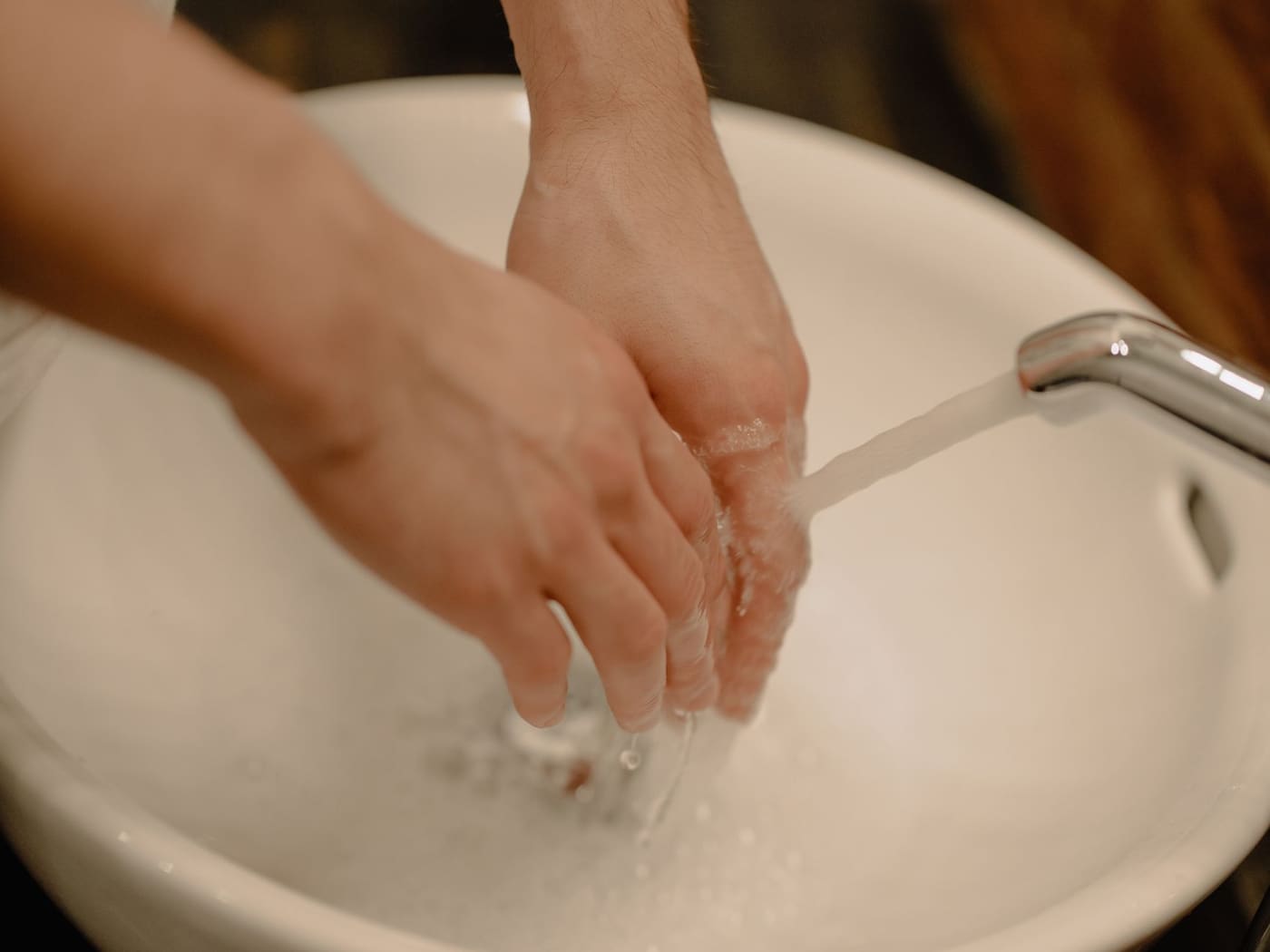
Handwashing remains one of the simplest ways to reduce the spread of colds, stomach bugs and other infections. The CDC steps are:
- Wet your hands with clean running water, turn off the tap and apply soap.
- Lather the backs of your hands, between your fingers and under your nails.
- Scrub for at least 20 seconds.
- Rinse under clean running water.
- Dry with a clean towel or an air dryer.
If soap and water are not available, use an alcohol-based hand sanitizer with at least 60 percent alcohol, checking the label. Staying home when you have a fever and covering coughs also helps others. How fever is judged, and when to get help, is covered in when to see a doctor for a fever.
Vaccines and screening
Vaccines prevent illnesses that can be serious, and screening can find some conditions early, before symptoms. Which ones you need depends on your age, health conditions, pregnancy, family history and where you live, and schedules are updated regularly. Instead of relying on a fixed list in an article, ask your doctor, nurse or pharmacist which vaccines and screening tests apply to you and when they are due, and ask for your own record.
Knowing your blood pressure is worthwhile for most adults because high blood pressure often causes no symptoms. Any lump that does not go away, blood in urine or stool, unexplained weight loss or a mole that changes should be checked by a doctor without waiting for a routine screening date.
Take medicine as prescribed
Medicine that is skipped, halved or stopped early cannot do what it was meant to. If cost, side effects or confusion about the plan is the reason, tell the prescriber or pharmacist rather than quietly stopping. A pill organizer, a phone alarm or linking the dose to a daily routine can help. For what to watch for in the first weeks of a new medicine, see side effects to watch for with a new medication.
Look after mental health and connection
Ongoing low mood, anxiety, loneliness and long-term stress affect physical health too. Regular contact with friends and family, time outdoors and breaks in your routine can all help. If low mood or loss of interest lasts for more than a couple of weeks, talk to a clinician. If you are thinking of harming yourself, contact your local emergency number or a crisis line in your country right away, such as 988 in the United States.
Prepare for the unexpected
Home safety is prevention too. Working smoke alarms, safe storage of medicines and chemicals and a few first aid skills reduce harm, as covered in first aid basics every home should know.
When prevention is not enough: see a doctor
Healthy habits lower risk but do not replace an assessment when something is wrong. Seek medical advice for unexplained weight loss, a lump that does not go away, blood in stool or urine, a fever that persists, a new severe headache, or any change that worries you. Call your local emergency number for chest pain, signs of a stroke such as a drooping face, weak arm or slurred speech, or severe trouble breathing.
This article is general information, not medical advice. Talk to a qualified clinician about your own situation.
Where this comes from
This guide uses the CDC’s pages on cigarette smoking, adult physical activity, sleep and handwashing, and the NHS Eatwell Guide. Advice on alcohol, vaccines and screening is left general on purpose because it changes over time and differs between countries, so confirm current schedules and limits with your own health service.